




Wordle Unlimited Website Crash Reveals 3 Hosting Mistakes Small Businesses Must Avoid
Article
Introduction: The Viral Phenomenon That Tested the Limits of Web Infrastructure
Imagine waking up one morning and finding millions of people trying to play your simple word game. That is the real story behind the wordle unlimited website. According to Statista, traffic to Wordle skyrocketed to over 45 million visits in just a few weeks. Clones like the wordle unlimited website saw their own massive surges, pushing cheap servers to their breaking point.
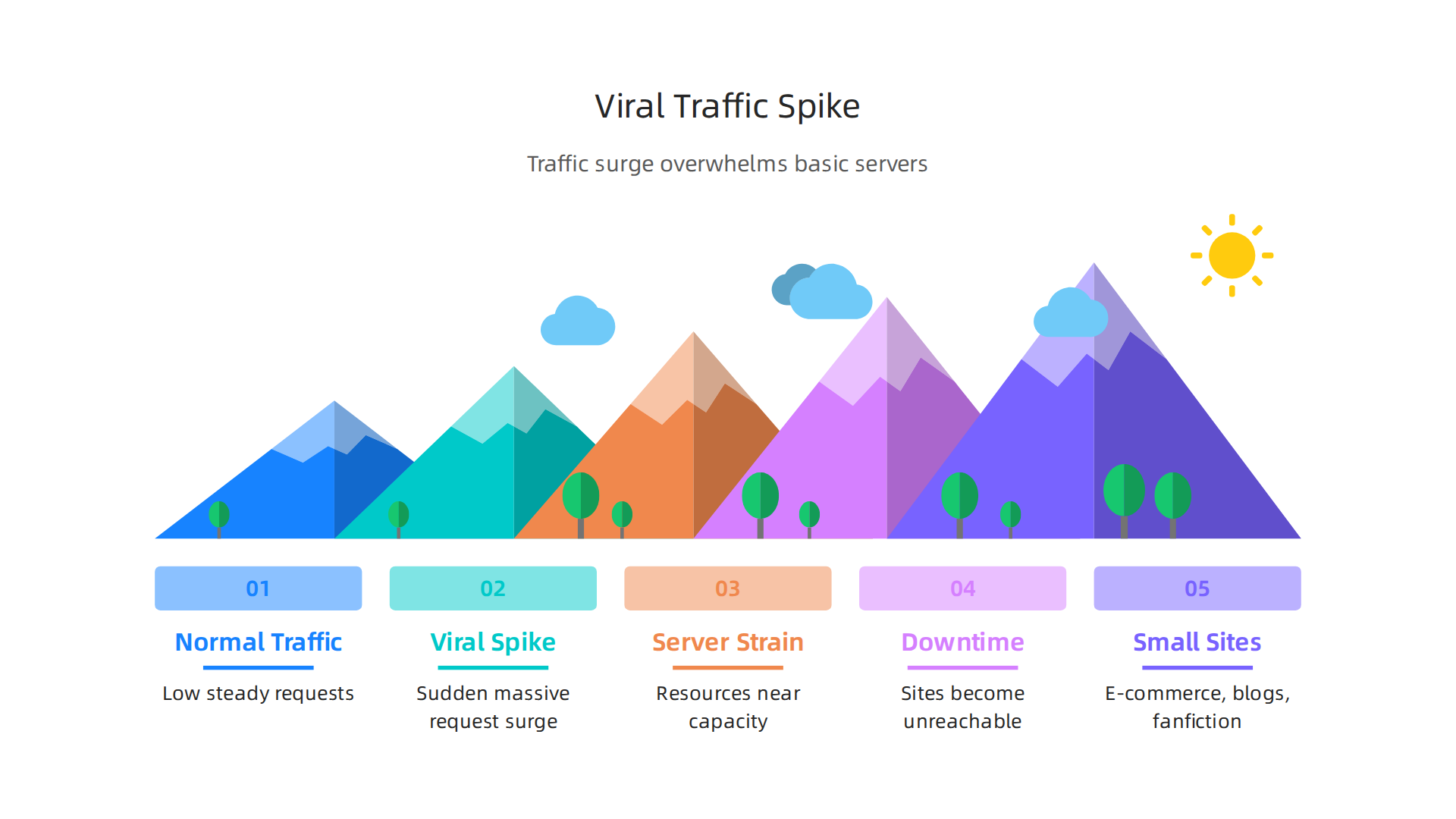
If you run a small business, you might think this does not apply to you. But it does. Whether you manage a fanfiction net website, an RSVP website for events, or a local shop trying to get traffic like a major site, sudden spikes happen. A great review or a viral post can flood your site with visitors. Without the right setup, that is when things fall apart.
The difference between handling that surge and losing every customer comes down to your hosting foundation. You need infrastructure that offers automated scalability, strong security, and fast performance.
In this article, I will explain what the Wordle crash taught us about building a site that stays fast and secure under pressure. I will share exactly where most small businesses get stuck and how to fix it.
If you want to check off all the right boxes for your own setup, take a look at this web hosting template checklist for small business growth to get started. And if you are ready to skip the risk, check out hosting solutions built specifically to protect your business from unexpected traffic tsunamis.
The Rise of Wordle Unlimited: A Case Study in Viral Traffic
Here is the thing. The wordle unlimited website did not start as a massive platform. It began as a simple, fun word game that people shared with friends. Then social media got ahold of it. Within weeks, the site went from a few hundred players to millions. According to Statista, traffic hit over 45 million visits in January alone.
That is a jump of more than 900,000% in under four months.
Wordle Unlimited was not alone. The main Wordle platform now gets 82.69% of its organic traffic from players, and in 2025 it averaged over 4 million daily active users according to Udonis. The wordleunlimited.org site pulled in 3.3 million monthly visitors at its peak. Think about that. A tiny operation built on cheap hosting suddenly had to serve millions of people all at once.
The problem? Most of these clones were sitting on basic shared servers. They had no automatic scaling. No load balancing. No backup plan for a tsunami of traffic. When everyone tried to play at the same time, the servers choked. Pages stopped loading. Scores disappeared. Players got frustrated and left.
This is where the lesson gets real for you. You might not run a word game. Maybe you run a fanfiction net website where a popular author drops a new chapter. Or an rsvp website for a wedding that goes viral on TikTok. Or maybe you run a simple local business site that suddenly gets featured on an alexa website or in a news article. The spike can happen to anyone.
The infrastructure behind the wordle unlimited website shows us that even the simplest web app can break if your hosting is not built for surprises. You need a setup that can handle a flood of visitors without crashing. That means automated scalability, strong security, and fast performance baked in from day one.
If you want to avoid the same fate, start by checking your own foundation. A great place to begin is this web hosting template checklist for small business growth that walks through exactly what to look for. And if you are ready to build a site that can handle the unexpected, take a look at hosting solutions designed for spikes so you never have to turn away a single visitor.
Behind the Scenes: Hosting Demands of a High-Traffic Online Game
When millions of players try to access a wordle unlimited website at the same time, the experience needs to feel instant. A one-second delay can cut conversions by 7% according to Idea Fueled. And with nearly 90% of Wordle traffic coming from mobile devices based on Semrush data, the pressure to deliver fast, reliable pages is intense.
So what does it actually take to keep a viral game running smoothly? Let me break down the key hosting components that make this possible.
Load balancers. These act like smart traffic cops. They spread incoming visitors across multiple servers so no single machine gets overwhelmed. If one server starts to struggle, the load balancer sends new players to another server instead.
Auto-scaling groups. This is the real magic. When traffic jumps from a few thousand players to a few million, auto-scaling automatically spins up new servers. When things quiet down, it shuts them off. You only pay for what you use.
Content delivery networks (CDNs). A CDN caches your site in dozens of locations around the world. A player in Tokyo does not have to wait for data to travel from a server in Virginia. The content is already close to them. This is critical for global accessibility.
Database optimization. Wordle Unlimited had to track scores, guesses, and streaks for millions of daily active users. In 2025, Wordle averaged over 4 million daily active users according to the Udonis blog. Without optimized databases, queries slow down and pages time out.
You might be thinking: "That sounds like enterprise stuff. I just run a small site." But here is the thing. The same principles apply at any scale. A fanfiction net website where a popular author drops a new chapter can see sudden traffic spikes. An rsvp website for a wedding that gets shared widely can crash if the hosting is not ready. Even a basic alexa website skill page can get more attention than expected.
Checking your hosting readiness does not have to be complicated. A good first step is learning how to check your hosting status for potential downtime so you can catch problems before your visitors do.
And if you want a hosting setup that automatically handles traffic surges without breaking a sweat, take a look at hosting solutions built for scalability that give you load balancing, CDN support, and rock-solid uptime.
Critical Lessons for Small Business Websites
You might look at how Wordle Unlimited handled millions of daily players and think, "That is a viral game. My small business site is nothing like that." But here is the thing. The same hosting lessons apply directly to your e-commerce store, your blog, your portfolio,

or even a fanfiction net website or an rsvp website that gets shared at the wrong time.
It comes down to three pillars: performance, security, and scalability. Overlook any one of them, and you risk lost revenue and a damaged reputation.
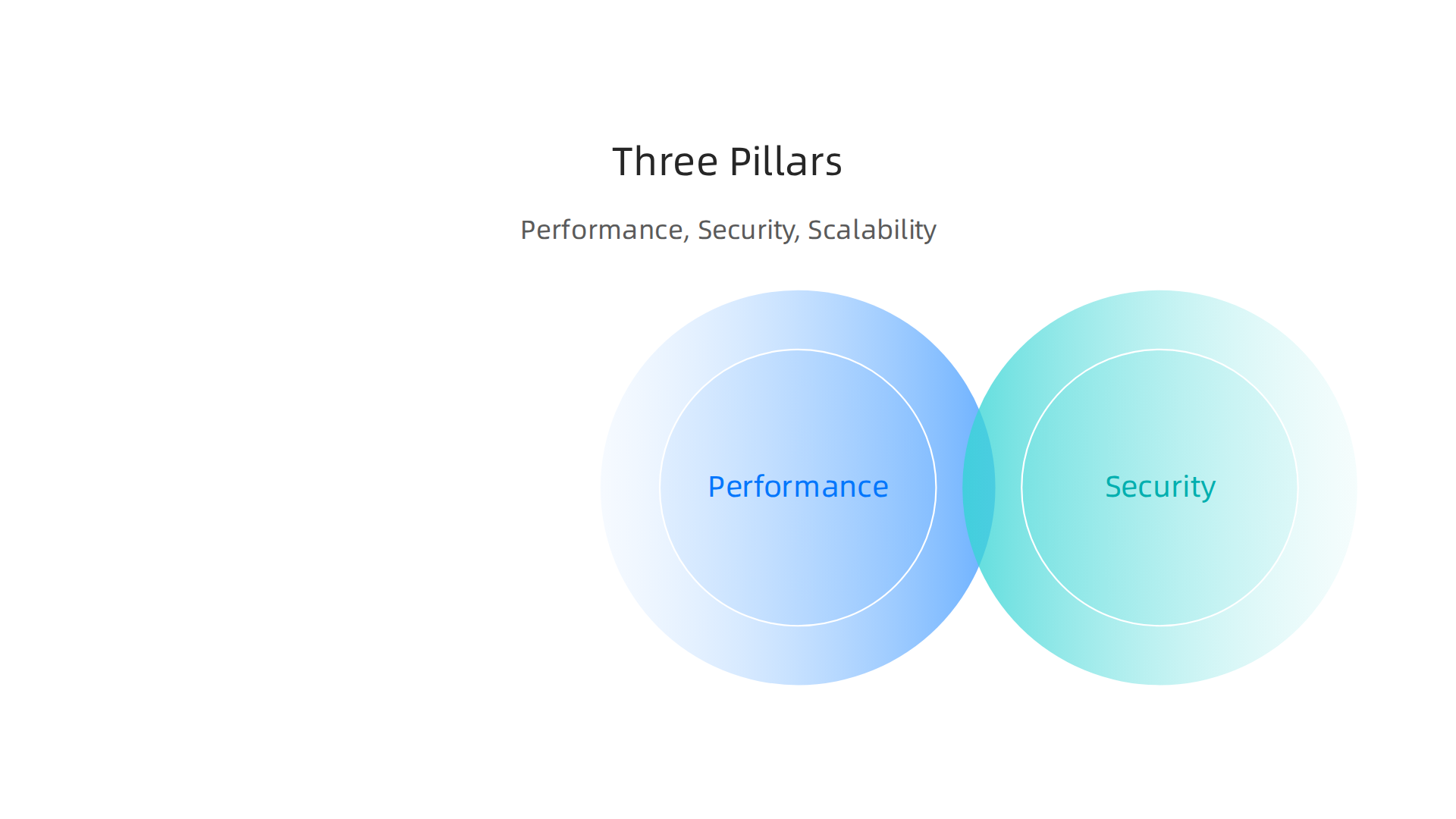
Performance is about speed. Google’s Core Web Vitals have only gotten more important in 2026. According to Idea Fueled, a 1-second delay can cut conversions by 7%. And Seobility recommends aiming for a load time under 2 seconds and a server response under 500ms. Fast sites rank higher and keep shoppers happy.
Security protects everything you build. A single breach or DDoS attack can take your site offline and scare away customers.

You need SSL, firewalls, and proactive monitoring.
Scalability is what lets you handle traffic spikes without breaking a sweat. Maybe you run a flash sale, get featured in the news, or a post goes viral. With auto-scaling, you ride the wave. Without it, you get a crashed site and a lot of angry visitors.
Most small business owners focus on one pillar and ignore the others. A fast site that is not secure is a liability. A secure site that buckles under traffic is useless. You need all three working together.
If you are not sure how your current hosting stacks up, start by walking through a web hosting template checklist for small business growth in 2026. It helps you spot weak points before they become problems.
And when you are ready for a hosting solution that delivers on all three pillars automatically, take a look at Prism Webhost. Designed for performance, security, and scalability so you can focus on growing your business.
Performance: Speed Matters More Than You Think
Think about the last time you loaded a page that just would not open. You probably hit the back button in under three seconds. That is exactly what happens to your visitors when your site is slow. The wordle unlimited website proved that speed was everything. If that game took too long to load, millions of players would have left and never come back. The same rule applies to your business site, your blog, your fanfiction net website, or even an rsvp website that needs to handle a sudden rush of guests.
Speed is a ranking factor too. In 2026, Google’s Core Web Vitals are the standard for measuring real user experience. According to Idea Fueled, a 1-second delay can cut your conversions by 7%.
And Seobility recommends aiming for a load time under 2 seconds and a server response time below 500ms.
So how do you get there? Focus on a few key optimizations:
- Minimize Time to First Byte (TTFB). Your server should respond quickly.
- Use a CDN to serve content from locations closer to your visitors.
- Compress images and other assets so files are smaller and load faster.
- Write efficient database queries to avoid bottlenecks on the backend.
If you are running an alexa website or a busy e-commerce store, these steps are not optional. They keep your site competitive.
To dig deeper into what metrics matter most, check out the full guide on Core Web Vitals optimization for 2026. And if you want a hosting solution that handles performance automatically with LiteSpeed servers, NVMe SSD storage, and a 99.99% uptime SLA, Prism Webhost has you covered.
Security: Protecting Your Brand from Threats
Speed is only half the battle. The wordle unlimited website became a huge target for DDoS attacks. When millions of players flooded the site, attackers saw an opportunity to bring it down. And they did. That same risk applies to any popular site in 2026.
Here’s the thing: cyberattacks are not just for big companies. According to the 2026 Cloudflare Threat Report, the number of DDoS attacks more than doubled in 2025. DDoS statistics from StationX show that a single quarter in 2025 saw over 20.5 million attacks. Small businesses are hit hard too. Small business cybersecurity stats reveal that 15% of small businesses face website hacks, and 12% suffer DoS disruptions. A single breach can cost you customer trust and money.
Whether you run a wowhead website for gaming guides, a fanfiction net website for creative writing, an rsvp website for events, or an alexa website that tracks rankings, you need basic protections. Start with SSL certificates, keep your software updated, and set up firewall rules. DDoS protection is also essential because even a short attack can take you offline for hours. 51% of small businesses report 8 to 24 hours of downtime after an attack.
To avoid these headaches, look for a hosting provider that includes enterprise-grade security from day one. For example, Prism Webhost offers 17Tbps+ DDoS protection, free SSL, and isolated hosting environments. You can learn more about how to secure your domain and site in our guide on finding reputable domain registrars. And if you want a hosting solution that handles all this automatically, Prism Webhost is built for exactly that.
Common Hosting Mistakes and How to Avoid Them
Security is just one piece of the puzzle. Even if your site is protected, you can still run into major problems if you make common hosting mistakes. Let’s look at three that trip up site owners the most, especially when you’re running something like a wordle unlimited website that can grow fast.
Mistake 1: Choosing the cheapest shared hosting without considering scalability
We get it. Saving money feels good at first. But the cheapest shared hosting plans often can’t handle even a small traffic spike. Imagine your wordle unlimited website goes viral. Or your wowhead website gets linked on a big forum. What happens? The server slows to a crawl, and your visitors leave.
Attackers also target small sites. According to the 2026 Cloudflare Threat Report, DDoS attacks more than doubled in 2025. Cheap hosting usually has little to no DDoS protection. If your site goes down for 8 to 24 hours, like 51% of small businesses experience after an attack, you lose trust and money.
Look for hosting that scales with you. That means options to upgrade CPU, RAM, and bandwidth easily. If you’re planning long-term growth, check out our web hosting template checklist for small business growth in 2026 to see what features really matter.
Mistake 2: Neglecting regular backups and update schedules
Another big mistake is forgetting to back up your site or update your software. Whether you run a fanfiction net website, an rsvp website, or an alexa website, a single hack or accidental delete can wipe out months of work.
The numbers are scary. 46% of all cyber breaches hit small businesses, and attacks happen every 11 seconds. Without fresh backups, you can’t recover quickly. And outdated plugins or CMS versions are like leaving your front door unlocked.
Set an automatic backup schedule at least weekly. Also, enable automatic updates for your CMS and plugins. Some hosting providers include point-in-time backups so you can restore to any moment before an issue. That peace of mind is worth it.
Mistake 3: Ignoring performance monitoring until after a crisis
Many site owners don’t check speed or uptime until something breaks. By then, visitors have already left.

For a wordle unlimited website, slow load times ruin the experience. For a wowhead website, lag drives gamers to another guide site.
Performance monitoring tools can alert you before a small problem becomes a crisis. Look for hosts that offer real-time dashboards with uptime reports, server load, and response times. This way, you can fix a slow database query or a bandwidth spike before it affects users.
If you want a hosting solution that handles scalability, backups, and performance monitoring automatically, consider Prism Webhost. It comes with enterprise-grade DDoS protection, automated updates, and point-in-time backups so you can focus on growing your site, not fighting fires.
Choosing a Scalable Hosting Partner: Beyond Uptime Promises
Think about what happens when your wordle unlimited website suddenly gets a shout-out from a big social media account. Or your wowhead website becomes the top search result for a new game update. Overnight, your traffic could jump from a few hundred visitors to tens of thousands. If your hosting can’t scale, your site will either slow down or crash completely. That’s why picking a hosting partner that supports elastic scaling is just as important as picking one that promises 99.9% uptime.
In 2026, the hosting industry has changed. According to a report from Hosted.com, hosting platforms are now using AI to automatically adjust resources when traffic spikes. That means your site can handle a sudden surge without you having to manually upgrade your plan. The global web hosting market is also expected to grow to over 15 billion dollars in 2026, as more businesses realize they need infrastructure that can grow with them.
So what should you actually look for in a scalable hosting partner? Here are the key features:
-
Auto-scaling resources. The server should automatically add CPU and RAM when traffic increases and remove them when it drops. This prevents crashes during a spike and keeps your costs under control. The CloudLinux blog on scaling hosting in 2026 explains how providers are using automation to handle this smoothly.
-
CDN integration. A content delivery network (CDN) stores copies of your site on servers around the world. That way, a visitor from Europe loads your site from a nearby server instead of waiting for data to travel from the US. With edge computing gaining ground in 2026, CDNs are becoming faster and more essential.
-
24/7 support from real humans. When your site goes down at 3 a.m., you need someone who can fix it fast, not a chatbot that sends you a FAQ link.
-
Transparent pricing. Some hosts lure you in with a low price, then charge huge fees when your site outgrows their base plan. Look for hosts that clearly explain how upgrades work and what they cost.
Real-world experience shows that businesses that grow fast often regret not planning for scale. A fanfiction net website that gains a loyal following can see traffic multiply in weeks. An rsvp website for a popular event can get overwhelmed if the host doesn’t handle sudden demand. That’s why the best approach is to choose a host that makes scaling effortless from day one.
If you want a hosting solution that includes auto-scaling, a built-in CDN, and a transparent pricing model, check out Prism Webhost.
It’s designed to help small businesses and growing brands handle traffic spikes without the headache. And if you’re still comparing features, our web hosting template checklist for small business growth in 2026 can help you spot the must-haves before you commit.
Future-Proofing Your Online Presence: Lessons from Wordle Unlimited
Think about Wordle Unlimited. It started as a simple word game. Then it went viral. Suddenly, millions of people tried to play every day. The servers could have crashed. But the people behind it learned a key lesson: you have to prepare for success before it hits you.
In 2026, the same thing can happen to your site. Maybe your wordle unlimited website becomes the next big thing. Or your wowhead website gets linked by a gaming influencer. Even a fanfiction net website or an rsvp website can see a sudden traffic tsunami. If your hosting isn’t future-proof, you lose visitors and money.
So what does future-proofing look like today? According to Tom’s Guide, the top hosting services in 2026 offer advanced features that used to be reserved for big companies. Here’s what you need:
-
Serverless architectures. These automatically run your code without you managing servers. Traffic spikes? The cloud handles it. You only pay for what you use.
-
Edge computing. This brings your site closer to visitors around the world. It makes load times faster and reduces strain on your main server.
-
AI-driven security. In 2026, AI can spot attacks before they happen. It blocks bad traffic automatically. That keeps your alexa website or any other site safe.
The Vocal Media article on mastering Wordle Unlimited shows that the game still has a huge following. That means its infrastructure must be ready for anything. The same goes for you.
But technology alone isn’t enough. You also need to stay sharp. That means doing regular infrastructure audits. Check your hosting setup every quarter. Look for bottlenecks. Update your software. And learn about new tools as they come out.
To help you audit and monitor your site, use a guide like this one on checking Epic Online Services status. It teaches you to catch downtime early and boost security.
For a hosting partner that already builds future-proofing into its DNA, check out Prism Webhost. It offers serverless-friendly options, edge CDN, and AI protection. So when your site goes viral, you stay calm and your visitors stay happy.
Summary
This article uses the Wordle Unlimited viral surge as a wake-up call for any site that might face sudden traffic spikes, showing how cheap shared hosting can fail under pressure. It explains the core hosting building blocks—load balancers, auto-scaling, CDNs, and database tuning—and why performance, security, and scalability must work together. You’ll learn common mistakes that leave small sites vulnerable (cheap plans, no backups, no monitoring), practical steps to improve speed and defenses, and what to look for in a hosting partner that supports growth. The piece also covers future-ready options like serverless and edge computing and recommends regular audits and monitoring so you’re prepared before a viral moment hits. By the end, you’ll know which features to prioritize, how to avoid downtime, and where to find checklists and hosting options designed for small businesses.
