




Cloudflare Domain Renewal Price Avoid Hidden Fees and Surprise Hikes
Article
Why domain renewal price matters for small businesses
Running a small business in 2026 means keeping a close eye on your money. One cost that can surprise many business owners is their domain name renewal price. Imagine setting up your website with a great deal for the first year, only to find the cost jumps much higher when it’s time to renew.

This kind of unexpected expense can really mess up your budget and make it hard to plan for the future.
We all want a steady, predictable cost for our website. This is especially true for the "digital storefront" of your business, which is your domain name. Understanding the true cost to buy a domain name, and then what it really costs to keep it each year, is very important. Many companies offer low prices at first, but then hike up the domain name registration cost later on. This makes it hard to do a proper domain price comparison when you’re first looking.
This guide will help you understand the Cloudflare domain renewal price. Cloudflare Registrar aims to be different by offering clear pricing, often just the base cost set by the domain registries, without extra markups Cloudflare Registrar Pricing (2026): Plans, Fees & Free Tier. We’ll look at how this compares to other popular options, like the real GoDaddy domain renewal price, and share practical ways you can keep your domain costs predictable and under control. Knowing these details can help your small business avoid unwelcome surprises and keep your online presence strong without breaking the bank.
Cloudflare Registrar works a bit differently from many other places where you can get a domain name. Most domain sellers add their own fee on top of the basic cost set by the domain registry. This is how they make money. But Cloudflare has a goal to sell domains at what’s called "wholesale cost," which means they aim to pass the domain name registration cost to you without adding their own extra charges. This can make the cloudflare domain renewal price feel more honest and easier to predict compared to some others.
When you deal with Cloudflare Registrar, there are a few main times you’ll see a bill:
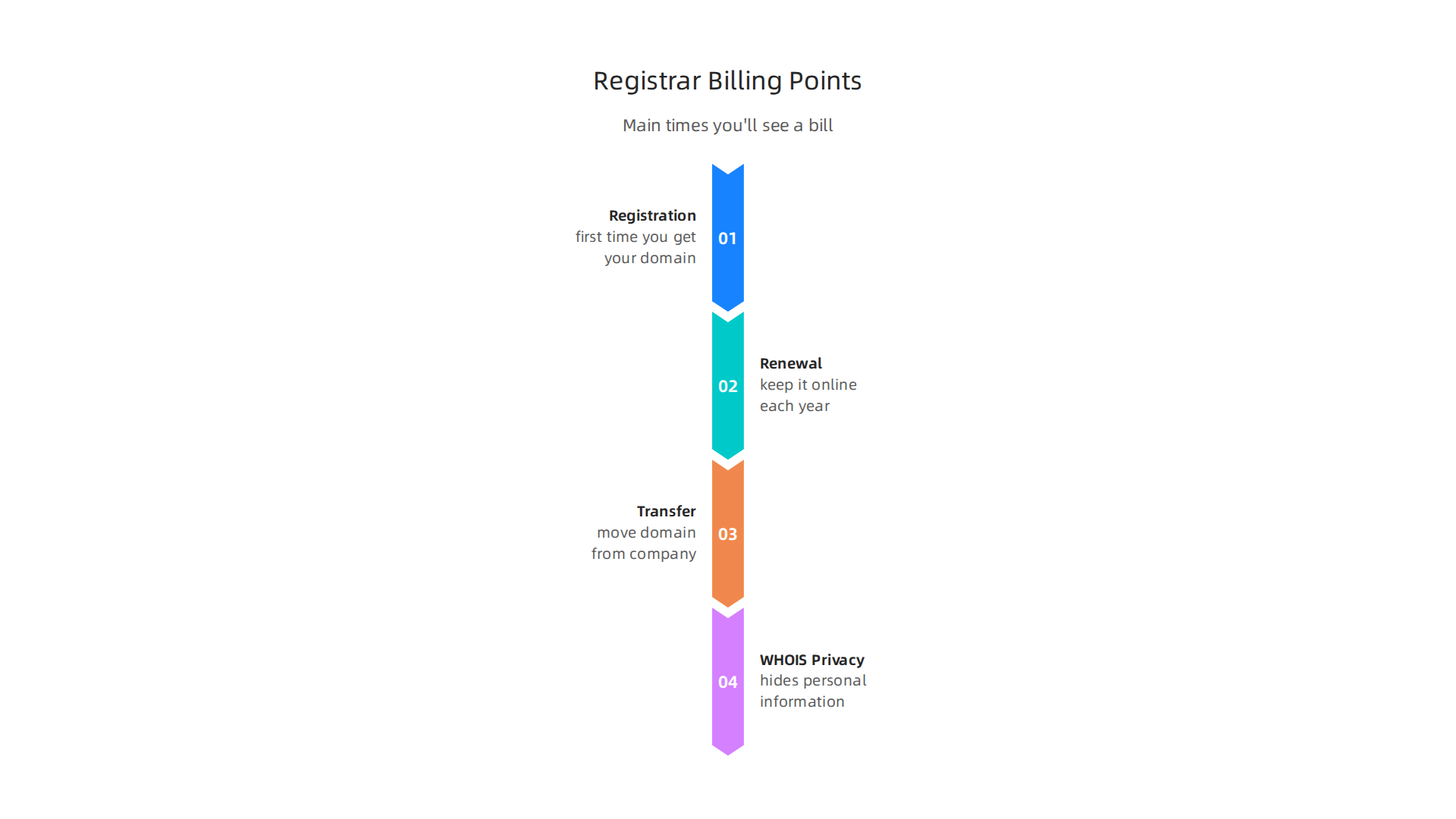
- Registration: This is the first time you get your domain name. Cloudflare tries to keep this cost low, just covering the basic fee.
- Renewal: Every year, or whatever period you chose, you’ll need to renew your domain to keep it. The Renew domains with Cloudflare Registrar documentation shows that auto-renewal is usually turned on by default, which helps make sure you don’t lose your domain by accident. You can manage these settings in your dashboard at any time.
- Transfer: If you want to move your domain from another company to Cloudflare, this is called a transfer. There’s often a small fee for this, which also usually adds another year to your domain’s life.
- WHOIS Privacy: This service hides your personal information from public view, which is a big plus for keeping your data safe. Many registrars charge extra for this, but Cloudflare often includes it for free, which adds to the value you get for the overall cost to buy a domain name.
What makes Cloudflare’s setup even more helpful for small businesses is how it works with their other services. If you use Cloudflare for things like making your website faster (DNS services), protecting it from bad attacks (proxying and security), or even delivering your website content quickly to people around the world, getting your domain through them ties everything together. This means you have fewer places to log in and manage your website’s online presence, making it simpler to keep an eye on your security and speed settings. It’s like having one main control panel for many parts of your digital business.
When thinking about your full online presence, remember that a domain name is just one piece. While Cloudflare handles your domain registration, you still need a place to store your website files. For robust, secure, and fast hosting that makes launching and maintaining your website easy, consider a dedicated hosting provider.
Cloudflare domain renewal price: breakdown and common fees
While Cloudflare helps you get your domain name at a fair "wholesale cost," it’s good to know exactly what makes up the cloudflare domain renewal price. This helps you plan your money and avoid surprises. And remember, your domain needs a home too. For fast, secure, and easy website storage, consider a trusted hosting provider like Prism Web Host to keep your online business running smoothly.
Here’s what usually goes into your domain renewal bill:
What Makes Up Your Renewal Bill
- Base Registry Fee: This is the main cost set by the group that manages your domain type, like .com or .org. Cloudflare passes this fee directly to you without adding extra charges. This is a big part of why their prices are often listed as the cheapest domain renewal prices in 2026 compared to others.
- ICANN Fees: ICANN is a big organization that helps run the internet’s naming system. They add a tiny fee to most domain names. This small fee is also part of your overall
domain name registration cost. - Optional Services: Cloudflare includes WHOIS privacy for free. This service keeps your personal details hidden from the public, which is great for keeping your information safe. Many other domain companies, like GoDaddy, charge extra for this. This means the
godaddy domain renewal pricecan often be higher than Cloudflare’s because of these added fees. - Currency and Taxes: If you pay in a different currency or live somewhere with sales tax on these services, the final amount might change a little.
Things That Can Change Your Renewal Price
Even with Cloudflare’s simple pricing, a few things can make the cloudflare domain renewal price shift:

- Registry Price Changes: The groups that manage domain types can decide to change their prices. So, the cost for a .com domain might go up or down from one year to the next. Cloudflare will always show you the current cost set by the registry, as they renew domains only at the list price set by the registry, unlike other registrars that add their own markup. You can often see these changes by doing a quick run a domain price comparison.
- First-Year Deals vs. Renewal Prices: Many other domain companies offer a very cheap price when you first buy a domain. But then, the
domain renewal pricejumps up a lot in the second year. For example, some registrars might offer a .com domain for a few dollars in the first year but then charge over $20 to renew it. Cloudflare usually keeps its first-year price the same as the renewal price. This means you won’t get a surprise price jump after your first year. This transparent approach is detailed in Cloudflare’s general Cloudflare Registrar documentation. - Auto-Renewal Settings: Cloudflare usually sets your domain to auto-renew by default. This is helpful because it means you won’t accidentally lose your domain if you forget to renew it. If your payment method fails, Cloudflare offers a grace period, which means you have extra time to renew your domain before it’s lost for good, as explained in the Cloudflare Registrar FAQ. You can manage your auto-renewal settings in your Cloudflare account whenever you need to. Checking a domain name renewal price comparison before renewal is a smart move.
By understanding these parts of the cloudflare domain renewal price, you can better plan for your website’s costs each year. Cloudflare’s focus on simple pricing helps make managing your domain easier and more predictable.
Many people wonder how the cloudflare domain renewal price stacks up against what other companies charge.

The simple answer is that Cloudflare is often cheaper in the long run. This is because many other domain registrars use a trick to get new customers: they offer a super low price for the first year.
Short-Term Deals vs. Long-Term Costs
You might see ads for a cost to buy a domain name for just a dollar or two for the first year. Sounds great, right? But here’s the catch: the domain renewal price often jumps way up in the second year. For example, some registrars might offer a .com domain for under $10 for the first year. But then, to renew it, they might charge over $20 or even more, as shown in various comparisons of domain registrar pricing in 2026. This sudden jump can really surprise people. Some reports show that companies like Namecheap might renew a .com domain for about $13.98, while GoDaddy might charge around $22.99 per year for renewal after a much cheaper first year 2026. This difference can make the godaddy domain renewal price look much higher over time.
Cloudflare doesn’t play this game. They typically offer one fair price from the start. So, the price you pay for your first year is usually the same price you’ll pay each year after that. This makes your website costs much more predictable. You won’t get hit with a big surprise bill when it’s time to renew. It is smart to do a domain price comparison to see these differences yourself.
More Than Just the Price Tag
When you’re looking at the total domain name registration cost, it’s not just about the numbers you see right away. Other things add to the real value and cost over time.
- WHOIS Privacy: We talked about this before. Cloudflare gives you WHOIS privacy for free. This keeps your personal information hidden from public view. Many other companies, like GoDaddy, charge an extra fee for this service, which can add about $10 a year to your bill. So, while GoDaddy might seem cheap at first, these extra fees quickly make the
godaddy domain renewal pricehigher. You can see how these extra costs stack up in detailed Domain Registrar Pricing reports for .com domains. - Transfer Fees: Sometimes, you might want to move your domain from one registrar to another. Some companies charge a fee for this. Cloudflare generally makes transfers smooth and clear, with no hidden fees, much like their general approach to pricing, which helps avoid unexpected costs when you’re checking your domain cost per year.
- Security Features: Beyond WHOIS privacy, good registrars offer other security tools to keep your domain safe. Cloudflare is known for its strong security features, which are often included. Other registrars might charge extra for things like SSL certificates or advanced DNS security.
- Customer Support: Imagine your website goes down, or you have a question. Good customer support can save you a lot of headache and money. While not a direct fee, quality support adds significant value to your
domain name registration cost. Always look for reputable domain name registrars that offer strong customer service.
When you weigh all these points, Cloudflare’s approach to the cloudflare domain renewal price often offers better value. They focus on clear, fair pricing without tricking you with low first-year deals that suddenly get expensive. This helps businesses like yours plan better and avoid surprises for their online presence. For a broader look at what it truly costs to get a domain name, check out our guide on the cost to buy a domain name in 2026.
When you pick a domain name, you also need to know how the company handles billing. Cloudflare makes the cloudflare domain renewal price simple and open. They usually set your domain to renew by itself. This means you don’t have to remember to do it every year, which is super helpful for keeping your website online without any breaks.
Cloudflare tries to keep things fair. When your domain is set to auto-renew, they will try to charge the payment method you have saved in your account. The great part is that Cloudflare only charges you the base price that the domain registry sets, without adding any extra fees on top, which many other companies do Cloudflare Registrar Pricing (2026): Plans, Fees & Free Tier. This means the domain name registration cost stays low and predictable. You can always see the status of your domain and its auto-renew setting in your Cloudflare dashboard Domain management · Cloudflare Registrar docs.
How to Avoid Surprise Charges
Even with simple pricing, it’s smart to know how to manage your domain renewals. Here are some tips to avoid any unwanted charges or surprises:
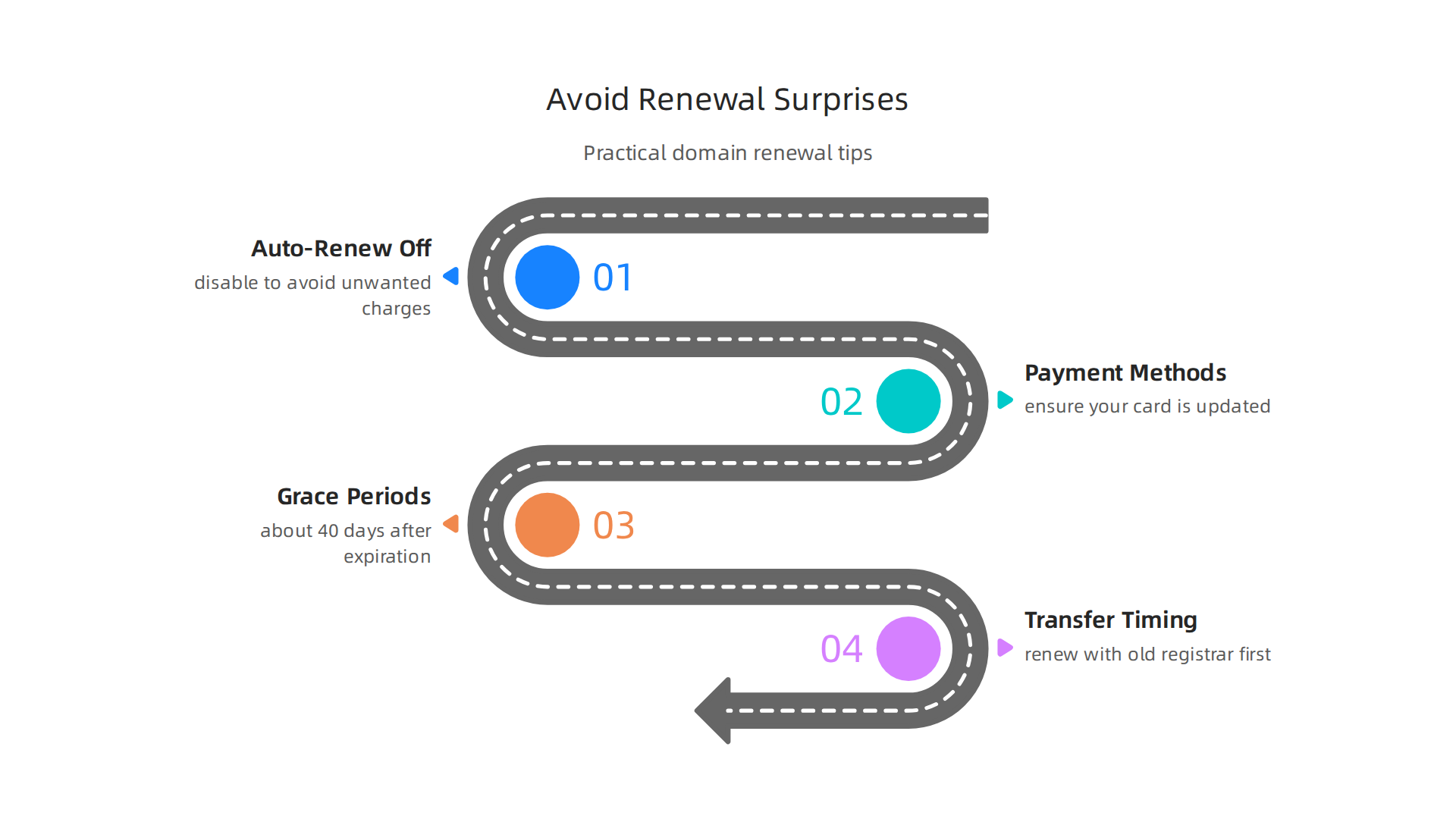
- Turn Off Auto-Renew: If you decide you don’t need a domain anymore, or you want to renew it manually, you can easily turn off the auto-renew feature. This means Cloudflare will not try to charge you when the renewal date comes around Renew domains with Cloudflare Registrar. You can do this right from your Cloudflare account settings. Remember, if you turn off auto-renew, your domain will stop working on its expiration date unless you renew it by hand Domain Registration Agreement.
- Check Payment Methods: Make sure the payment details you have with Cloudflare are always up to date. If your card expires, for example, the renewal might fail. This could lead to your domain going offline. Cloudflare will try to renew your domain, and if it’s successful, the charge is usually not refundable Cancelling Recently Renewed Domains for Refund.
- Understand Grace Periods: Sometimes, people forget to renew a domain or turn off auto-renew. Cloudflare offers a "grace period" for most types of domains FAQ · Cloudflare Registrar docs. This is usually about 40 days after the domain’s official expiration date. For the first 30 days of this period, your domain will still work normally. This gives you a chance to renew it if you made a mistake or changed your mind. After 30 days, it might get suspended.
- Transfer Timing: If you’re planning to move your domain to Cloudflare from another company, there’s a good tip to remember. If your domain is going to expire within 15 days, it’s a good idea to renew it with your old company first. After that, you can start the process of moving it to Cloudflare A step-by-step guide to transferring domains to Cloudflare. When you transfer a domain to Cloudflare, it counts as a new registration, so you will be billed for a new year’s registration when the transfer goes through.
By understanding these simple points about cloudflare domain renewal price and management, you can keep your online presence smooth and free from unexpected costs. Cloudflare’s clear pricing and helpful features mean you can focus more on your business and less on tricky domain fees.
Even though Cloudflare makes managing your cloudflare domain renewal price easy, there are other smart ways to save money and plan your budget for all your domains. Thinking ahead can help you avoid surprise costs and keep your website running smoothly for a long time.
Practical Tips to Reduce Domain Renewal Costs and Manage Budgeting
Keeping your domain costs low is important for any business. Here are some simple tactics to help you save money on domain name registration cost and renewals.
- Buy for More Than One Year: Sometimes, you can save money by registering or renewing your domain for several years at once. Many registrars offer a small discount if you pay for two, three, or even five years upfront. This also means you don’t have to worry about renewals as often. Check out different options for multi-year pricing to see if it makes sense for your
cost to buy a domain name. - Watch for Price Changes: Domain prices can change, especially for some types of domain names (called TLDs, like .com or .net). The companies that run these TLDs sometimes announce price increases. By keeping an eye on these announcements, you can decide if it’s better to renew early or even consider a different domain. Websites like The State of Domain Pricing 2026 or Domain Renewal Price Comparison 2026 can help you monitor trends.
- Choose Stable Domain Types: Some domain types have more steady renewal prices than others. For example, .com domains often have predictable
domain name registration costand renewal rates, while newer or less common TLDs might see bigger price jumps. Doing a domain price comparison for different TLDs can help you pick one with a more stable future. You can see how different domain extensions compare on a TLD Price List (2026). - Use Billing Alerts: Most registrars let you set up alerts for when your domain is about to renew or when a payment is due. Use these! They are a great way to make sure you’re aware of upcoming charges and can make sure your payment method is ready. This helps you manage your budget and prevent any unexpected issues.
- Compare Registrars for Renewals: Not all registrars charge the same
godaddy domain renewal priceor even the samecloudflare domain renewal price. While Cloudflare is known for its low renewal fees, other registrars might have good deals too. Sometimes, the price for a new domain is very low, but the renewal price shoots up high. It’s smart to compare renewal prices across different providers, not just the first-year cost. For instance, some registrars like Porkbun or Namecheap often have competitive renewal rates compared to others Cheapest Domain Registrars 2026: True Cost Comparison. You can find a good domain name renewal price comparison to help you decide.
Moving Registrars: When Is It Worth It?
Moving your domain to a new registrar (like from GoDaddy to Cloudflare) can sometimes get you a better domain name registration cost or lower renewal rates. Cloudflare, for example, is known for transparent and low-cost renewals. But there are trade-offs to think about:
- Potential Downtime: When you move a domain, there’s a small chance your website might be offline for a little while. This usually doesn’t happen with good planning, but it’s a risk.
- Management Work: Transferring a domain takes some time and effort. You have to follow steps like unlocking your domain, getting a transfer code, and then confirming the transfer with the new registrar. For a small business (SMB), this extra work might not be worth it if the savings are tiny.
- When It’s Worth It: It’s usually worth moving your domain if the new registrar offers much lower
cloudflare domain renewal priceor if you’re getting poor service or security from your current one. For small businesses, finding a reliable registrar that offers fair and consistent pricing, like Prism Web Host — Web Hosting & Services, can save a lot of headaches and money in the long run. Also, if your current registrar has a history of big price hikes for renewals, moving might be a good idea.
Moving your domain name to a new company can save you money, especially with a lower cloudflare domain renewal price or godaddy domain renewal price.

But it’s good to know the exact steps and costs involved so you don’t face surprises.
When to Transfer Domains (and the True Transfer Costs)
Moving your domain, like moving your home, has rules and costs. It’s not just about switching places; it involves certain steps and fees. When you transfer a domain, you often pay a transfer fee. This fee usually includes one extra year of registration with your new provider. So, if you transfer your domain today, you’re usually paying to add another year to its current expiration date. For example, some registrars charge a transfer fee that also gives you a free year of registration, essentially bundling the domain name registration cost for a year into the transfer itself [Comparing the best domain registrars of 2026]. This means you are not just paying to move it, but also extending its life.
Thinking about the cost to buy a domain name in the first place, or its renewal, is key to deciding if a transfer is worth it. If you’re currently paying a very high domain name registration cost for renewals, even with the transfer fee, you might still save money in the long run. To compare, look at the full picture, not just the first year’s promotional price. You can learn more about finding your real annual domain expenses by looking at the [domain cost per year].
However, there are important rules and possible problems to watch out for:
- The 60-Day Lock: A big rule from ICANN (the group that oversees domain names) is that you usually cannot transfer a domain within 60 days of registering it or after its last transfer. This rule is in place to prevent fraud but means you can’t quickly move a domain if you find a better deal right after signing up or moving it. You need to plan your transfer timing carefully.
- Registry Transfer Rules: Each domain type (like .com or .org) has its own set of rules for transfers. While the 60-day lock is common, other small details might vary. Always check with both your old and new registrars about their specific transfer process. You will need to unlock your domain with your current provider and get a special transfer code (often called an EPP code or authorization code) to give to your new registrar [A step-by-step guide to transferring domains to Cloudflare].
- Name Server Changes and Downtime: When you transfer a domain, you might also need to update its name servers. These tell the internet where your website lives. If you change them at the wrong time or they don’t update correctly, your website could be down for a short period. This can be a concern for small businesses that need their website to be online all the time. Good registrars like Cloudflare make this process smooth, but mistakes can still happen. When considering transferring to a platform like Cloudflare, check their guidelines on how to [transfer your domain to Cloudflare]. It’s a key part of avoiding unexpected issues.
Before you decide to transfer, think about the domain price comparison between your current godaddy domain renewal price and what you might pay with a new provider. Make sure the savings are worth the effort and the small risks involved in the transfer process. Understanding your overall [master your domain name registration cost and avoid hidden fees] is always a good idea.
Summary
This article explains why domain renewal price matters for small businesses and how Cloudflare Registrar approaches renewals differently by charging the registry’s base (wholesale) cost without common markups. It breaks down the elements of a renewal bill—registry fees, ICANN charges, optional services, taxes—and highlights Cloudflare benefits like free WHOIS privacy, predictable pricing, and built‑in auto‑renewal with a generous grace period. The guide compares Cloudflare to typical first‑year discount tactics used by other registrars (for example GoDaddy) and shows how those short promotions can lead to much higher long‑term costs. It also covers transfer rules and fees, the 60‑day transfer lock, and practical budgeting tactics such as multi‑year registrations, billing alerts, and registrar comparisons. After reading, you’ll know how to forecast domain costs, avoid renewal surprises, and decide whether moving your domain to a low‑markup registrar like Cloudflare makes sense for your business.
